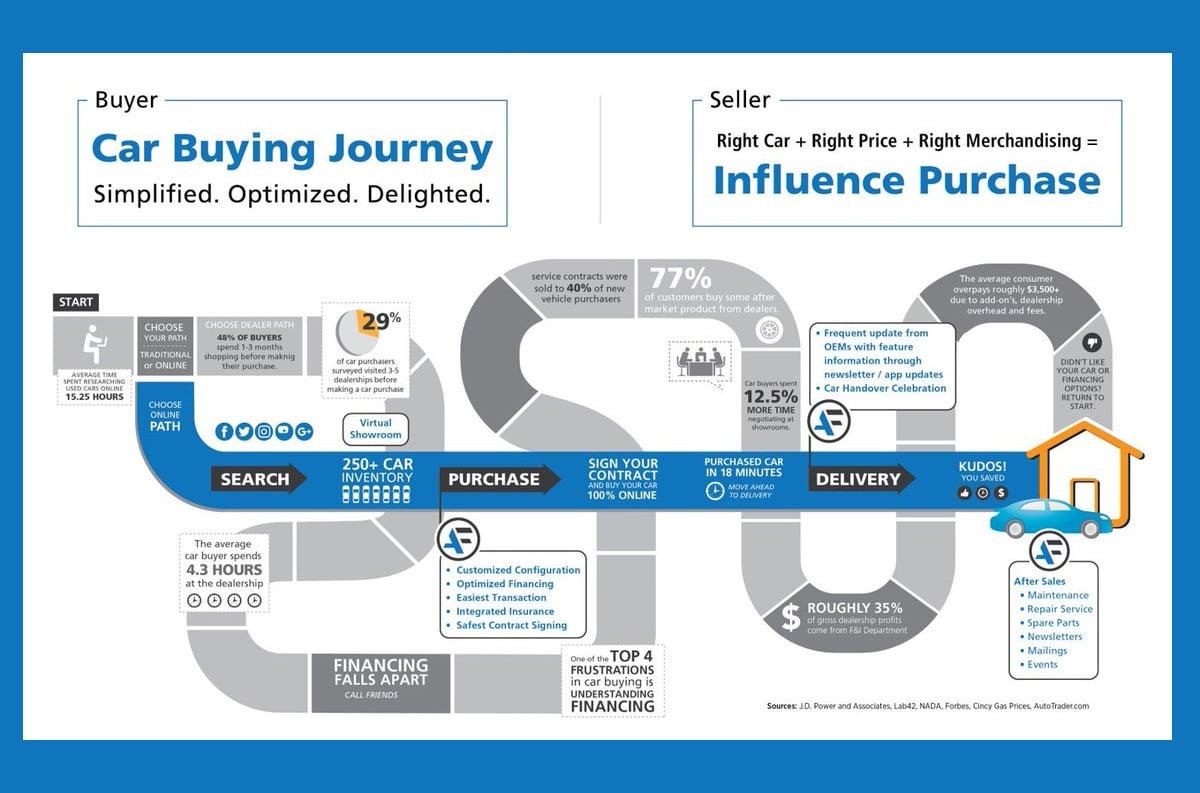
Most automotive brands believe the purchase decision is the hardest part of the journey. In reality, that's only the beginning.
When an automotive client approached Market Diggers, their concern wasn't awareness or even initial sales. It was what happened after. Customer satisfaction scores were inconsistent, repeat-purchase intent was unclear, and brand loyalty varied significantly across markets such as the United States and China.
The brand wasn't struggling to sell cars, it was struggling to build lasting relationships.
Looking Beyond the Purchase Moment
Instead of focusing only on buying behavior, we mapped the entire ownership lifecycle. This included pre-purchase expectations, onboarding experience, daily usage, servicing interactions, and long-term satisfaction.
What we wanted to understand was simple:
Where does the experience start to break?
We collected data across multiple touchpoints and layered it with behavioral insights. Not just what people said, but how they behaved over time.
Ownership Journey Breakdown
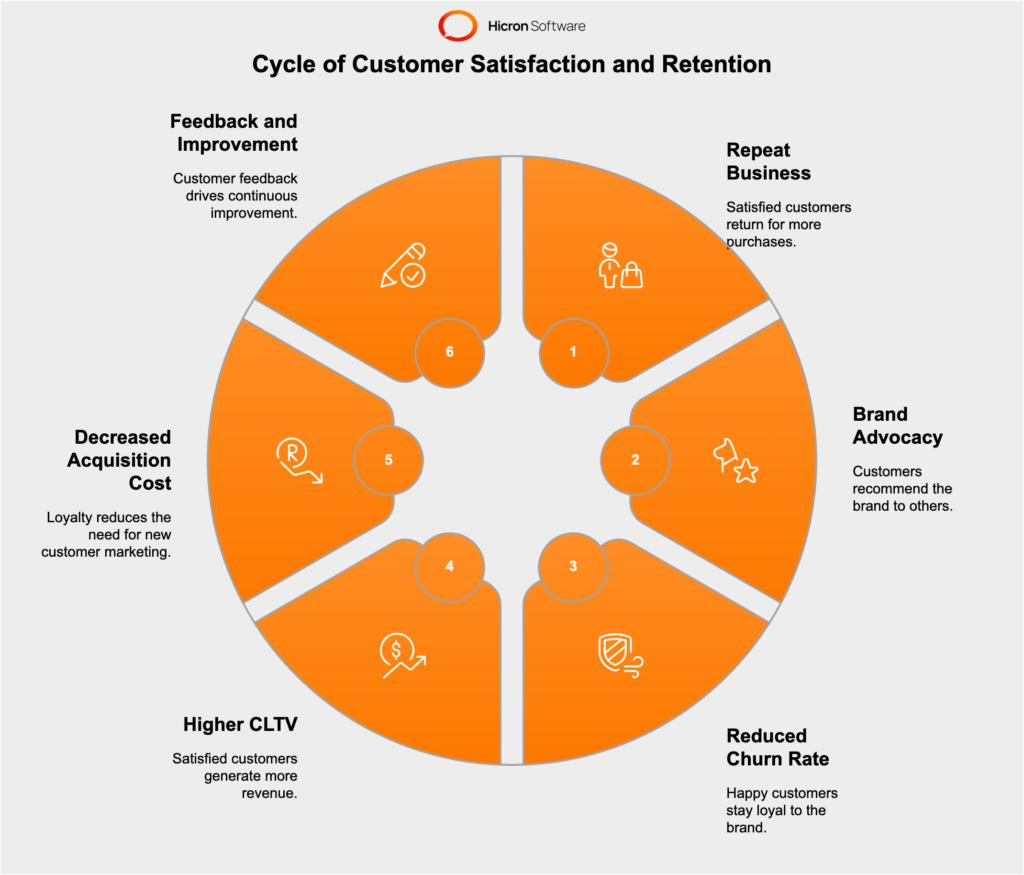
We mapped the ownership experience into five stages:
• Expectation Setting
• Purchase Experience
• Early Ownership (0-3 months)
• Service & Maintenance
• Long-Term Loyalty
What stood out was the drop in satisfaction after the first 90 days, particularly around service experience and real-world performance expectations.
Behavior vs Expectation Gap
One of the most revealing insights came from comparing expected performance vs actual experience.
Customers entered the journey with high expectations around fuel efficiency, maintenance cost, and service convenience. However, even small mismatches in these areas created disproportionate dissatisfaction.
Interestingly, product quality wasn't the main issue. Perception of value over time was.
Regional Behavior Differences
The study also revealed big differences between markets.
• In the United States, convenience and service efficiency were dominant drivers of satisfaction
• In China, digital integration and in-car technology played a larger role in perceived value
This meant a single global strategy was diluting impact in both markets.
The Turning Point: Service Experience
Across segments, one factor consistently influenced long-term loyalty: after-sales experience.
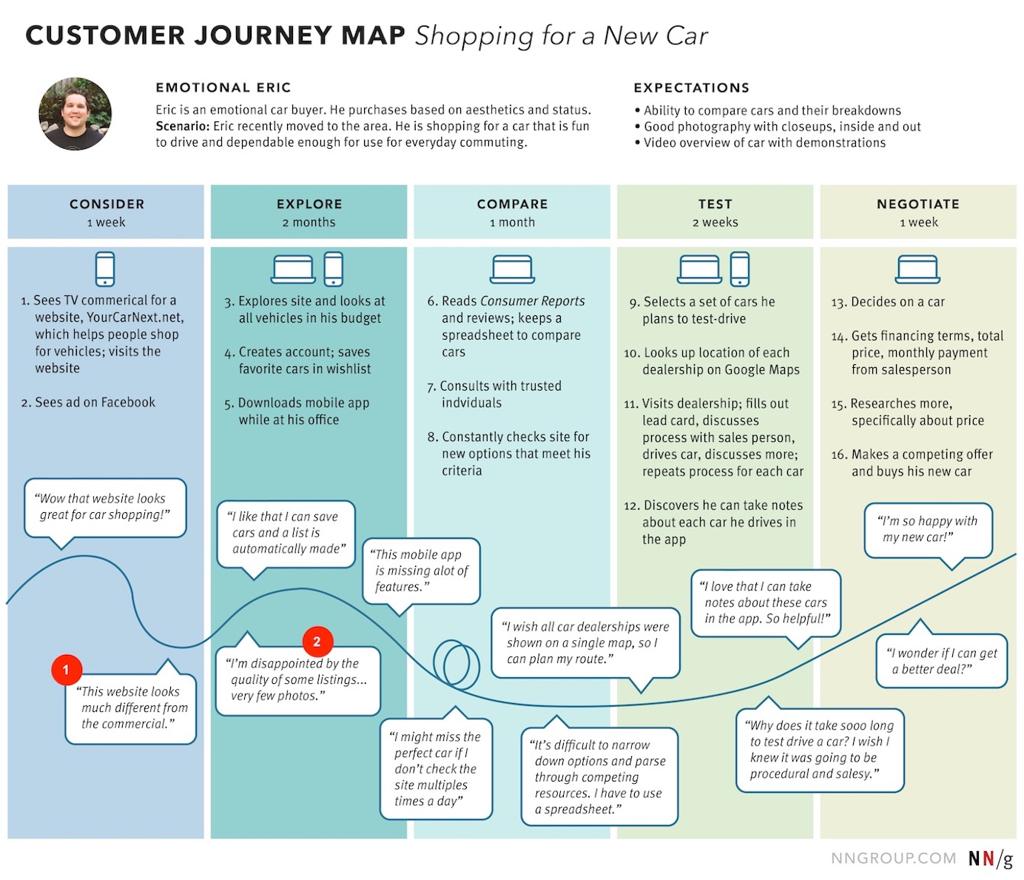
Customers who had smooth, transparent service interactions were significantly more likely to:
• Recommend the brand
• Return for future purchases
• Spend on upgrades and add-ons
On the other hand, even minor service friction created long-term brand distrust.
What Changed
Using these insights, the client shifted focus from purely product-led messaging to experience-led positioning.
Service touchpoints were redesigned to improve transparency and communication. Regional strategies were localized based on behavioral differences, and early ownership engagement was strengthened to reduce the post-purchase drop in satisfaction.
Outcome
The brand saw a measurable improvement in customer retention and repeat purchase intent. More importantly, they gained clarity on where long-term value is actually created.
This case made one thing clear:
In the automotive space, loyalty is not built at the dealership. It is built over time, through every interaction that follows.