When a global smartphone brand came to Market Diggers, they were not struggling with visibility. Their products were known, their campaigns were reaching the right audiences, and traffic across platforms was steady, but something was not translating into results. Conversions were inconsistent, and more importantly, customers were taking longer to upgrade their devices.
Internally, there were plenty of assumptions. Some teams believed pricing was the issue, while others pointed to competition, but neither was backed by a clear understanding of how users actually thought and behaved.
That is where we stepped in.
Instead of starting with what the brand wanted to know, we focused on how people were truly using their smartphones in everyday life. We studied users across the United States and China, not just who they were, but also how their behavior differed throughout the day.
From content consumption to gaming habits, from work use to social interaction, we mapped patterns that do not usually surface in surface-level research.
What became clear very quickly was that users were not overwhelmed by choices; they were underwhelmed by the lack of differentiation.
People were not upgrading because they did not see enough value in doing so. The conversation around features had become too technical, while users were making decisions based on very practical outcomes. Battery reliability, camera performance in real conditions, and overall device longevity mattered far more than incremental spec improvements.

What added another layer to this was the emotional side of ownership. For many users, a smartphone is no longer just a device; it is an extension of their daily routine.
Unless a new product clearly improves that routine, the motivation to upgrade simply does not exist. This explained why even satisfied users were holding on to their current devices longer than expected.
At the same time, mid-range brands were quietly winning attention by positioning themselves as sensible, value-driven alternatives.
Not better on paper, but more relevant in perception.
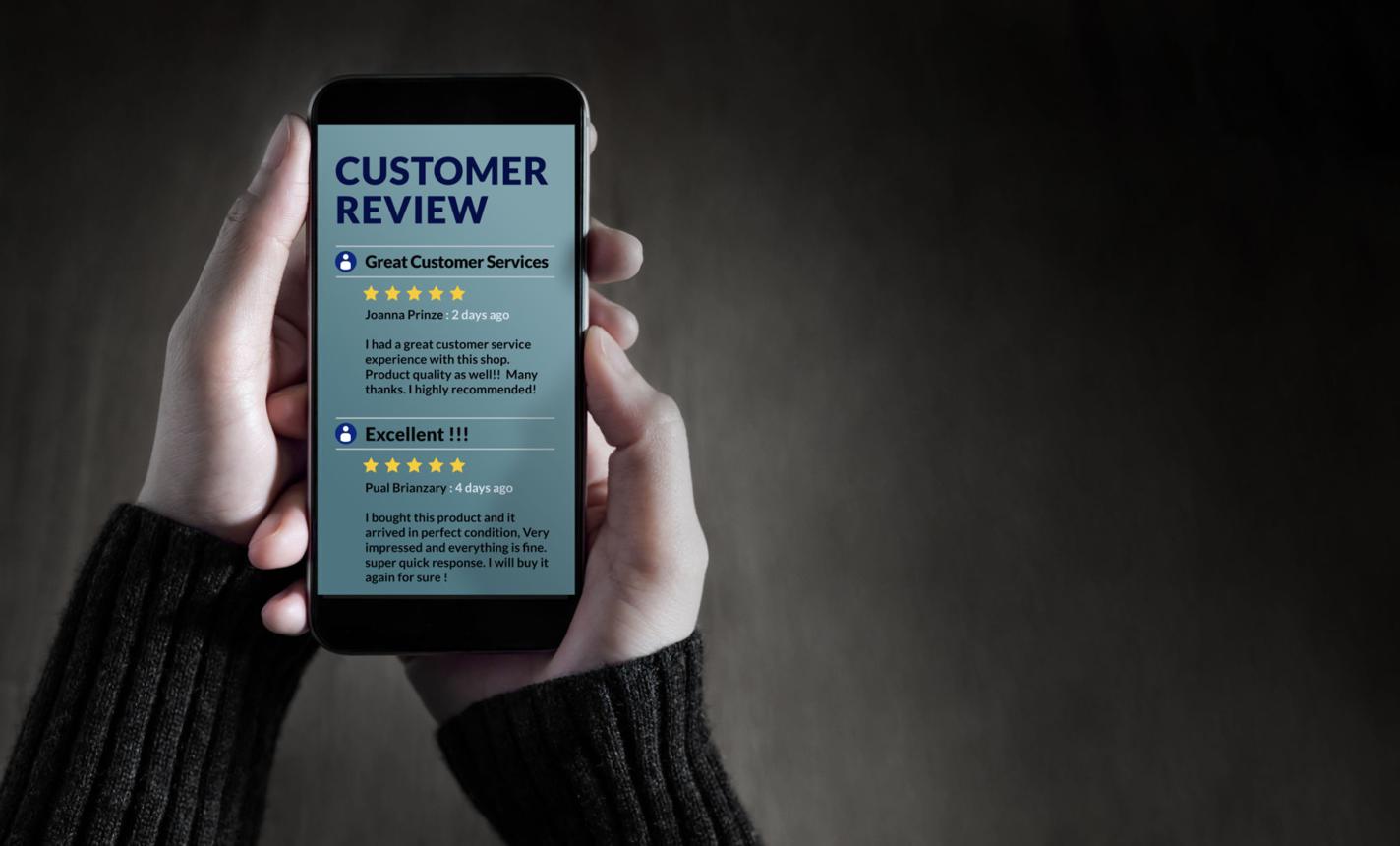
Another shift we uncovered was the growing influence of peer validation. Users were spending more time comparing, reading reviews, and watching real usage content before making decisions. Traditional messaging was no longer enough to push them forward.
In fact, many users trusted independent creators and real-user experiences more than brand communication. This shift meant influence was more distributed, and brands needed to participate in conversations rather than control them.

It was no longer about broadcasting a message, but about aligning with what people were already seeing and discussing.
With these insights, the client reworked its communication strategy. Instead of focusing on features, they began speaking directly to real-life use cases. Campaigns became sharper, more segment-focused, and aligned with how different user groups actually behaved.
Internally, these insights also helped bridge the gap between product and marketing teams. Decisions were no longer driven by assumptions or isolated data points, but by a shared understanding of user behavior. This alignment made execution faster and far more consistent across markets.
The impact was noticeable, and conversion rates improved, acquisition became more efficient, and product teams gained clarity on what truly needed to be prioritized moving forward.
What this project reinforced is simple. You do not unlock growth by adding more features. You unlock it by understanding what actually matters to the people using them.