The beverage market looks simple on the surface. People choose what they like and stick to it. But that assumption no longer holds.
When a beverage company approached Market Diggers, they were facing a subtle but critical challenge. Sales were stable, but growth had slowed, and new product launches were not gaining expected traction.
The issue wasn't demand; it was shifting behaviour.
Understanding the Modern Consumer
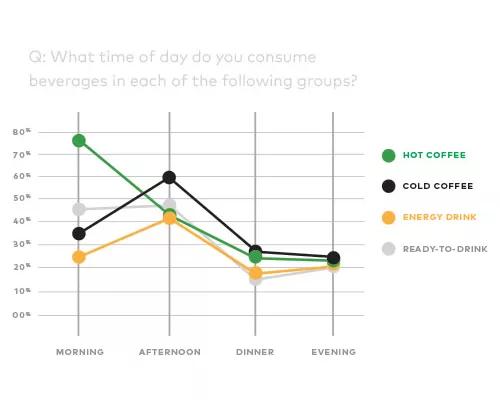
We started by looking beyond categories like "soft drinks" or "health beverages" and focused instead on consumption context.
When do people drink what they drink? and more importantly, why?
We studied consumption across moments:
• Morning routines
• Work breaks
• Social settings
• Post-work relaxation
What emerged was a shift from habit-driven consumption to context-driven choices.
Consumption Pattern Mapping
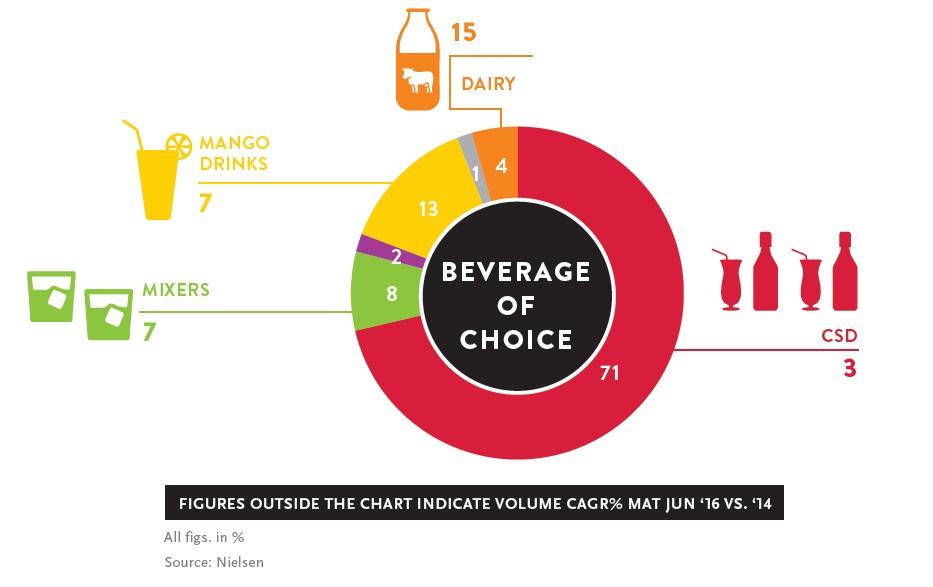
Instead of sticking to one brand, consumers were switching based on mood, time of day, and perceived benefit.
For example:
Energy-driven choices in the morning
Refreshment-driven in the afternoon
Indulgence-driven in social settings
This fragmentation made traditional segmentation less effective.
Perception Shift: Health vs Indulgence
Another key layer was the evolving perception of "health."
Consumers were not necessarily moving away from indulgent drinks. They were becoming more selective about when they consumed them.
"Health" was no longer a category, it was a filter applied across decisions.
This created an opportunity, but also confusion for brands trying to position themselves clearly.
The Role of Packaging and Visibility
One unexpected insight came from physical and digital visibility.
Packaging played a stronger role than anticipated, especially in quick decision environments like retail shelves or online listings. Clarity of messaging, visual cues, and perceived benefit influenced impulse decisions significantly.
In many cases, the product wasn't failing, it simply wasn't communicating fast enough.
Strategic Shift
Based on these insights, the client moved away from broad category positioning and adopted a moment-based strategy.
Products were repositioned based on consumption occasions rather than generic benefits. Packaging and messaging were redesigned to reflect immediate value, and campaigns were aligned with real-life usage contexts.
Outcome
The result was stronger product relevance across different consumption moments, improved visibility at the point of decision, and better performance of new launches.
More importantly, the brand gained a clearer understanding of how modern consumers navigate choices in a crowded market.
Conclusion
In today's beverage market, growth doesn't come from owning a category. It comes from owning a moment.